




Put simply, mitigation is the work of holding damage to its current size. Do not confuse it with rebuilding. Mitigation covers the steps taken ahead of repairs so undamaged materials stay that way. Our Anaheim crew mitigates a loss in four moves: control the source, extract the water, contain the wet zone and stabilize the building. Done well, it shrinks the repair that follows and sometimes removes the need for one.
People often use mitigation and restoration to mean the same thing. They are two phases. Mitigation is the emergency phase: stop the loss, limit the spread, stabilize the home. Afterward comes restoration, when dryness is verified and ruined flooring, drywall and finishes get fixed or rebuilt. Insurance companies also bill the two as separate line items, which makes it useful to know your current phase.
Four tasks make up most mitigation visits. First is source control, which keeps more water from coming in. Second is extraction, to clear out standing water. Third is containment, where controlled airflow and plastic barriers keep contaminants and moisture away from clean rooms. Fourth is stabilization: unsalvageable materials come out, surfaces receive antimicrobial treatment, and dehumidifiers and air movers are placed. We also protect furniture and belongings by moving or blocking them up.
Your Water Damage Mitigation Questions Answered
Water Damage Mitigation Issues? We Can Help.
Call Anaheim Restoration for fast, reliable service.
Call (657) 502-3570 NowHow We Handle Water Damage Mitigation
Our systematic approach delivers quality results on every project. Here's what you can expect when you choose Anaheim Restoration:
Control the Source
Depending on the cause, our crew closes the supply, caps a failed line, or covers the entry point with tarps and boards. If a plumber or roofer is needed for the permanent fix, we coordinate the timing.
Remove Standing Water
Standing water is removed with pumps and extractors, and carpet and pad are checked. Getting bulk water out quickly does more to limit damage than any amount of drying equipment alone.
Contain Wet Areas
Plastic barriers and controlled airflow separate wet rooms from dry ones. As a result, contaminants, dust and humid air stay put instead of spreading around the house mid-job.
Stabilize and Dry
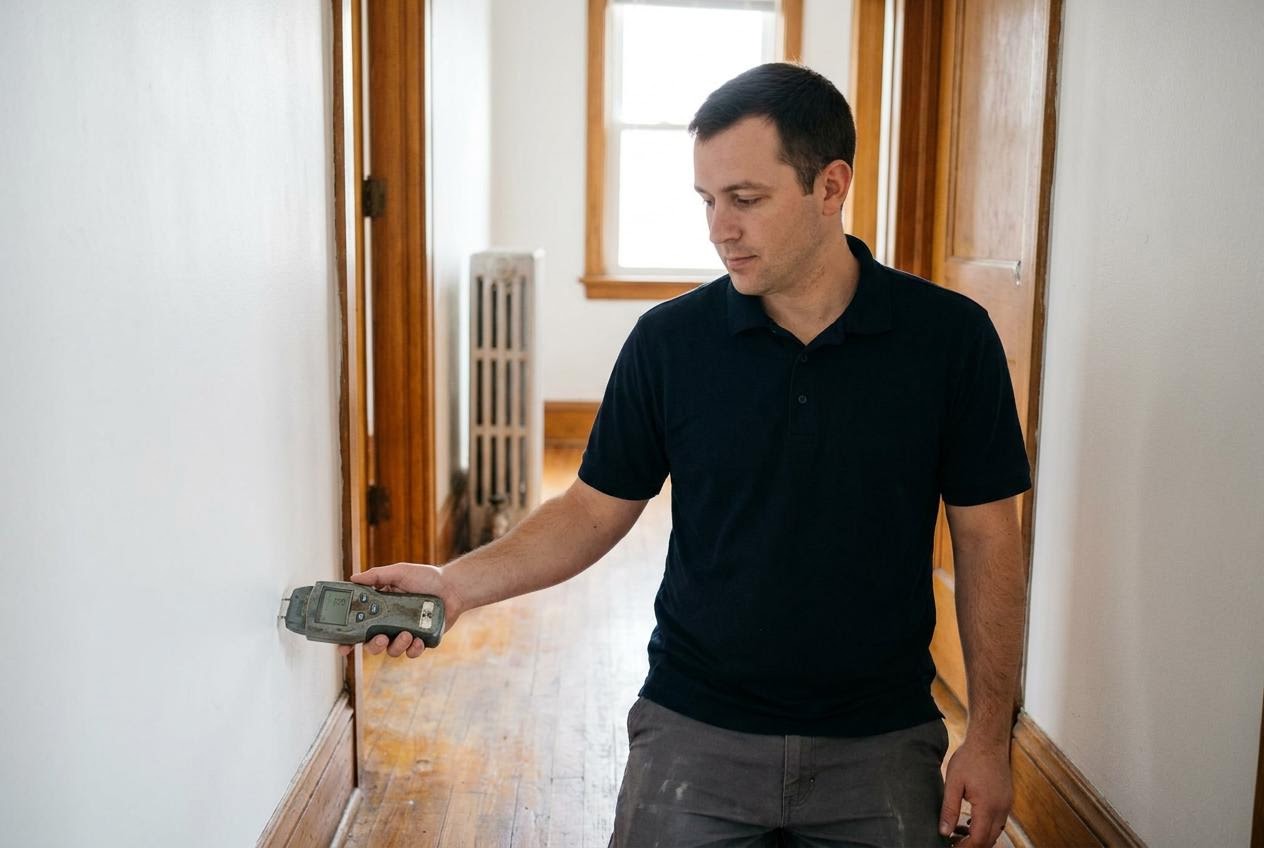
Unsalvageable materials are removed, surfaces get antimicrobial treatment, and air movers and dehumidifiers are set. Moisture readings are recorded on every visit until the structure can be repaired, typically in 3 to 5 days.
Why Professional Water Damage Mitigation Matters
Fast decisions, one after another, are what mitigation consists of. Can this section of drywall dry in place, or does it need cutting out? Has the water shifted category since the leak started, and is it Category 1, 2 or 3 now? Should the toe kick under the cabinets be pulled? Each decision rests on meter readings and our training, never on whether something seems dry to the eye or hand.
Good mitigation also protects your claim. Owners are required by most policies to take reasonable steps against further damage, and the insurer will ask for evidence. We photograph conditions on arrival, record moisture readings daily and keep a list of anything removed. Together those records show the water's effect and our response to it. Whoever handles repairs then begins from a known condition, and nothing wet ends up sealed behind new wallboard.
Water Damage Mitigation Prevention Tips
Taking preventive measures can help you avoid costly water damage issues down the road. Follow these tips from our IICRC-certified technicians:
- Have an automatic shutoff fitted, so the main closes itself once a leak is sensed.
- Trade rubber washer hoses for braided steel, and renew them roughly every five years.
- Seal gaps around windows, doors and roof penetrations before the next heavy rain arrives.
- Leave the heat on during winter trips so the plumbing cannot freeze.
- Check under sinks and around toilets monthly for drips, stains or soft flooring.
- Slope the soil away from the house so rainwater does not pool against the walls.
Questions About Water Damage Mitigation?
Call Anaheim Restoration to discuss your water damage mitigation needs with a IICRC-certified technician.
Get Help: (657) 502-3570How to Tell You Need Water Damage Mitigation
Catching these issues early helps you avoid costly problems and protect your property. Here are the most common indicators that it's time to call a professional:
- One day on, damp materials are beginning to smell musty.
- The house feels muggy and window glass is wet with condensation since the leak.
- The leak is fixed, yet cabinets, walls or flooring remain wet.
- An opening in the roof or at a window lets rainwater enter the building.
- The insurance company instructed you to take reasonable action against further damage.
- Baseboards are swelling or pulling away from the wall after a leak.
- Plumbing repairs are done, but no one has addressed what got wet.
Early Action Saves Money
What seems like a minor issue today can turn into a major expense tomorrow. If you notice any of these signs, contact Anaheim Restoration at (657) 502-3570 for a prompt evaluation.
Comparing DIY and Professional Water Damage Mitigation
Some simple tasks are suitable for DIY, but most water damage work benefits from professional tools, training, and experience. Consider the following comparison:
| Factor | DIY Approach | Professional Service |
|---|---|---|
| Proof for insurer | Some pictures on your phone | Daily moisture logs and photo record |
| Contamination | Wiping obvious spots with bleach | Category-specific antimicrobial applied |
| Water removal | Soaking it up by hand | Bulk water out with pumps, extractors |
| Drying check | Touch test on the surface | Each visit measured, not guessed |
| Material decisions | Guess what can be saved | Readings decide what stays or goes |
Schedule Your Water Damage Mitigation Service
The sooner you call, the sooner we can help. Reach Anaheim Restoration for same-day service.
Call (657) 502-3570 Today