




No part of restoring a water-damaged building matters more than structural drying, yet it is also where untrained crews make the most mistakes. After extraction removes the standing water, significant moisture remains trapped in structural materials, including drywall, wood framing, subflooring, concrete, insulation and other building components. Controlled evaporation and dehumidification, applied scientifically, are needed to get that moisture out before a wet structure develops mold, rotting wood, degraded materials and odors.
Psychrometry is the science of how air temperature, humidity and moisture interact, and the IICRC-certified technicians who dry structures for Anaheim Restoration know it well. That knowledge lets them work out where equipment goes, what temperature to hold and how air should move so evaporation is as effective as possible on every job. Because hardwood, drywall, plaster and concrete do not dry at the same speed, the method has to change with the material to bring it to acceptable moisture content without harming it further.
Our structural drying process includes daily moisture monitoring with calibrated moisture meters, thermo-hygrometers and thermal imaging cameras. We document moisture readings throughout the drying process, creating a detailed drying log that shows progressive moisture reduction in all affected materials. Those readings guide daily equipment adjustments that keep the drying as efficient as it can be. Drying is complete only when all affected materials reach acceptable moisture standards as defined by IICRC S500 guidelines, not when surfaces simply feel dry to the touch.
Our Structural Drying Process
We follow a proven process to ensure every job is completed to the highest standards. Here's how we handle structural drying from start to finish:
Mapping the Moisture
Hygrometers, moisture meters and a thermal camera let us map moisture across each area that was affected. From that map we decide where equipment goes and record our baseline readings.
Equipment Deployment
Our crew sets up high-velocity air movers along with commercial LGR units in the positions the moisture map calls for. Temperature and airflow are optimized for the specific materials being dried.
Daily Checks and Adjustments
Our technician returns daily to take moisture readings at all monitoring points, adjust equipment placement and document drying progress. We keep you posted on how the timeline looks.
Dry Standard Verification
Once every affected material reads at an acceptable moisture level, we record the final numbers, pull the equipment and certify the property as meeting dry standard.
Structural Drying Issues? We Can Help.
Our IICRC-certified technicians are standing by to help.
Get Help: (657) 502-3570How to Tell You Need Structural Drying
Recognizing the warning signs early can save you time, money, and prevent significant damage to your property. Watch for these telltale signs that professional help is needed:
- Rooms that stay humid even with windows open and fans running
- Materials breaking down in a spot that got wet before and was not dried by professionals
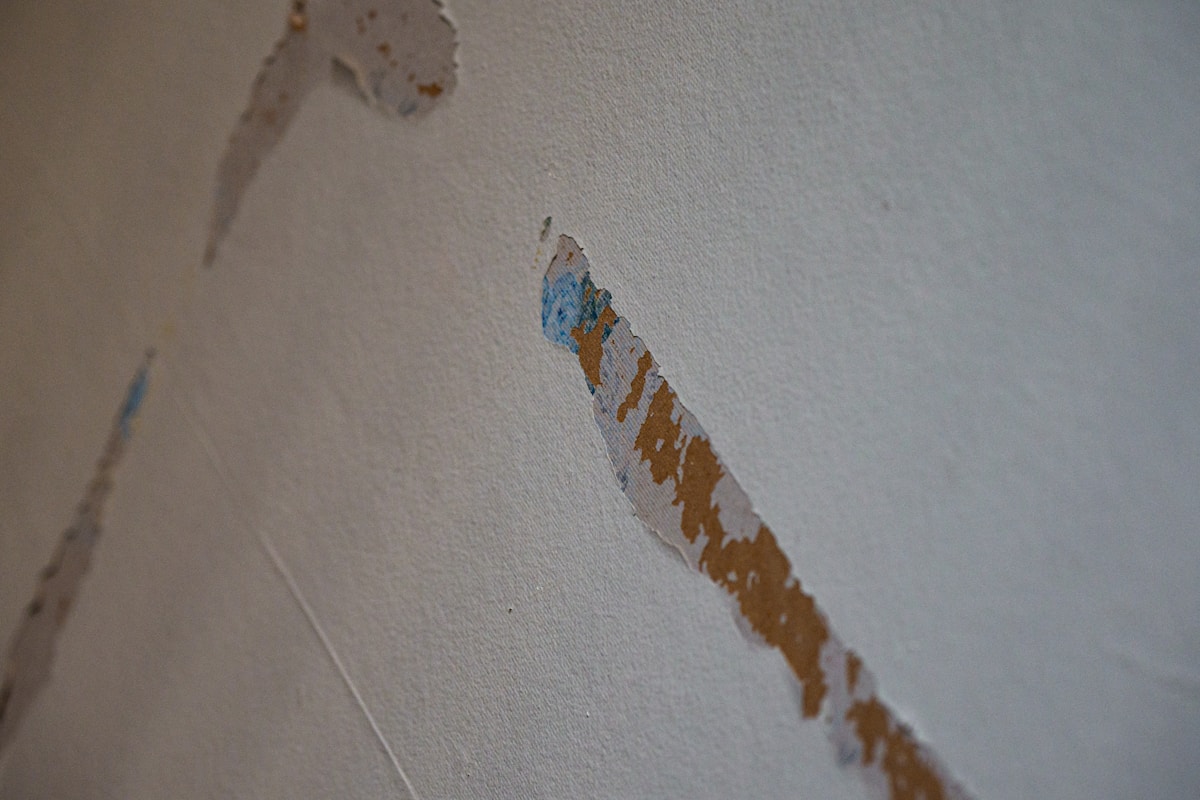
- Wall finishes that start to peel or bubble in the days after water damage
- Stained, swollen or soft spots in the drywall
- Materials that feel damp or cool to the touch even after visible water is gone
- Wood flooring with boards that cup, crown or pull apart
- Beads of moisture on windows and cold surfaces after the water event
Act Before It Gets Worse
What seems like a minor issue today can turn into a major expense tomorrow. Call Anaheim Restoration at (657) 502-3570 at the first sign of trouble.
Common Structural Drying Questions
How to Prevent Structural Drying Problems
A little prevention goes a long way in avoiding expensive restoration emergencies. Here are our expert recommendations:
- Trust the moisture meter readings, because surfaces can feel dry while moisture remains deep in materials
- The dehumidifiers and air movers should run around the clock until our technician takes them out
- Address any water intrusion immediately, because the faster drying begins, the better the outcome
- Daily monitoring only works if someone can let the technician into the property
- Every hour of run time matters, so resist switching the machines off for some quiet
- Dehumidifiers lose efficiency when outside air gets in, so keep drying areas closed up
Not Sure What You Need?
Our experienced technicians can assess your situation and recommend the best solution.
Get Help: (657) 502-3570Can You Handle Structural Drying Yourself?
Some simple tasks are suitable for DIY, but most water damage work benefits from professional tools, training, and experience. Consider the following comparison:
| Factor | DIY Approach | Professional Service |
|---|---|---|
| Equipment | Store-bought fans and small dehumidifiers | LGR units removing 10 to 20 times more |
| Mold Prevention | High risk from incomplete drying | Materials tested to the IICRC standard |
| Documentation | No proof of proper drying | Documented readings from first day to last |
| Drying Time | Weeks with inadequate equipment | Usually 3 to 5 days for most homes |
| Over-Drying | Over-drying can damage wood floors | Approach tailored to what is being dried |
Why Structural Drying Is Not a DIY Job
There is real science behind structural drying, which is why guessing does not work. The leading cause of secondary mold after a water event is setting out a few fans and trusting they will be enough. It involves daily monitoring, a calculation of the required grain depression (the capacity to remove moisture) and a working knowledge of the way materials absorb moisture and let it go. Get it wrong in one direction and mold feeds on leftover moisture, get it wrong in the other and wood or similar materials are damaged by over-drying.
The equipment used for professional structural drying is fundamentally different from consumer products. High-velocity air movers produce precise airflow patterns that speed up evaporation from the structure, and low-grain refrigerant (LGR) commercial dehumidifiers capture 10 to 20 times the moisture a home unit can. Machines like these cost a great deal and take training to use well, which explains why professional results are so much better than a do-it-yourself effort.
Get Structural Drying Help Today
The sooner you call, the sooner we can help. Reach Anaheim Restoration for same-day service.
Get Help: (657) 502-3570